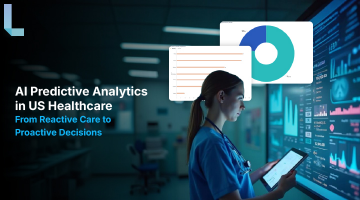
AI Predictive Analytics in US Healthcare: From Reactive Care to Proactive Decisions
Make Confident Decisions with Predictive Analytics
Connect, transform, and automate data from varied sources using 100+ data source connectors, into Lumenore’s predictive analytics uses data science, machine learning, and AutoML to forecast outcomes, detect risks early, and help teams take action before issues impact performance.

Lumenore is Trusted By 20,000+ Users
Across 100+ Enterprise Teams






















Reporting Tells You What Happened When It’s Too Late

Most analytics setups stop at reporting and dashboards.

They explain what already happened but not what’s likely to happen next.

Teams react late to risks, miss early warning signals.

You rely on assumptions instead of evidence when planning for the future.

By the time trends are visible in reports, opportunities are lost.
What Is Predictive Analytics?
Predictive analytics uses AI and machine learning to analyze historical data, identify patterns, and forecast what's likely to happen next, so you can make proactive decisions instead of reactive ones.
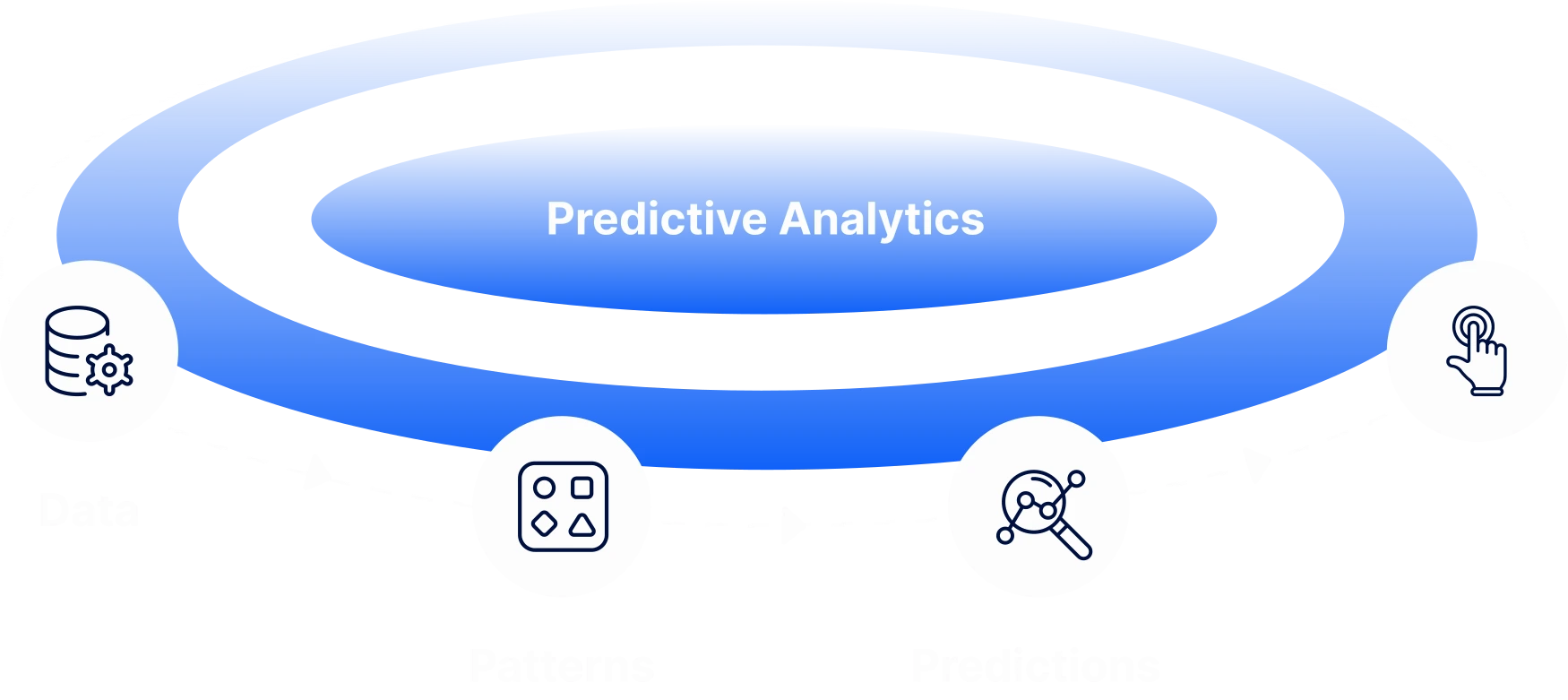
From Prediction to Action, In One Platform
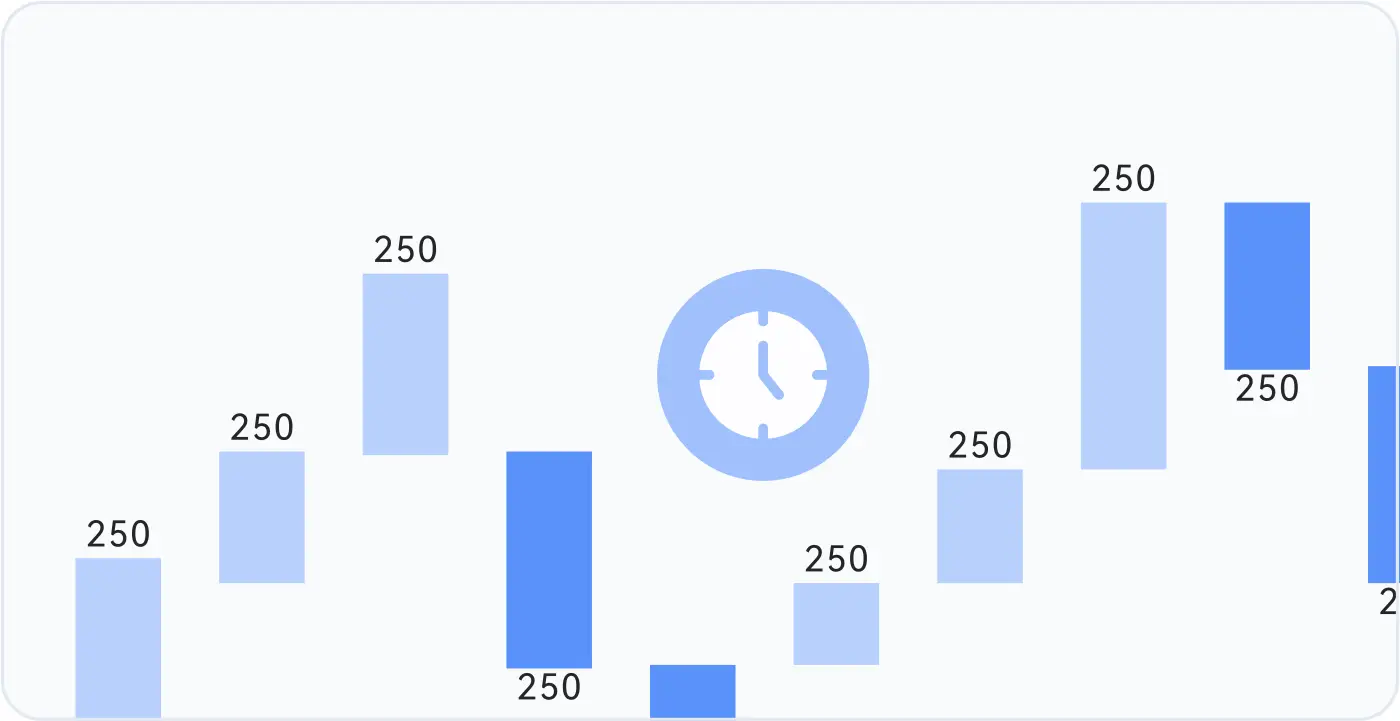
Trend Analysis
Identify patterns before they become problems
Improve planning accuracy by analyzing historical data over time to uncover patterns, seasonality, growth signals, and directional changes. It helps you:
- Detect gradual shifts in KPIs
- Identify seasonal fluctuations
- Spot early warning signals
- Track and predict performance shift
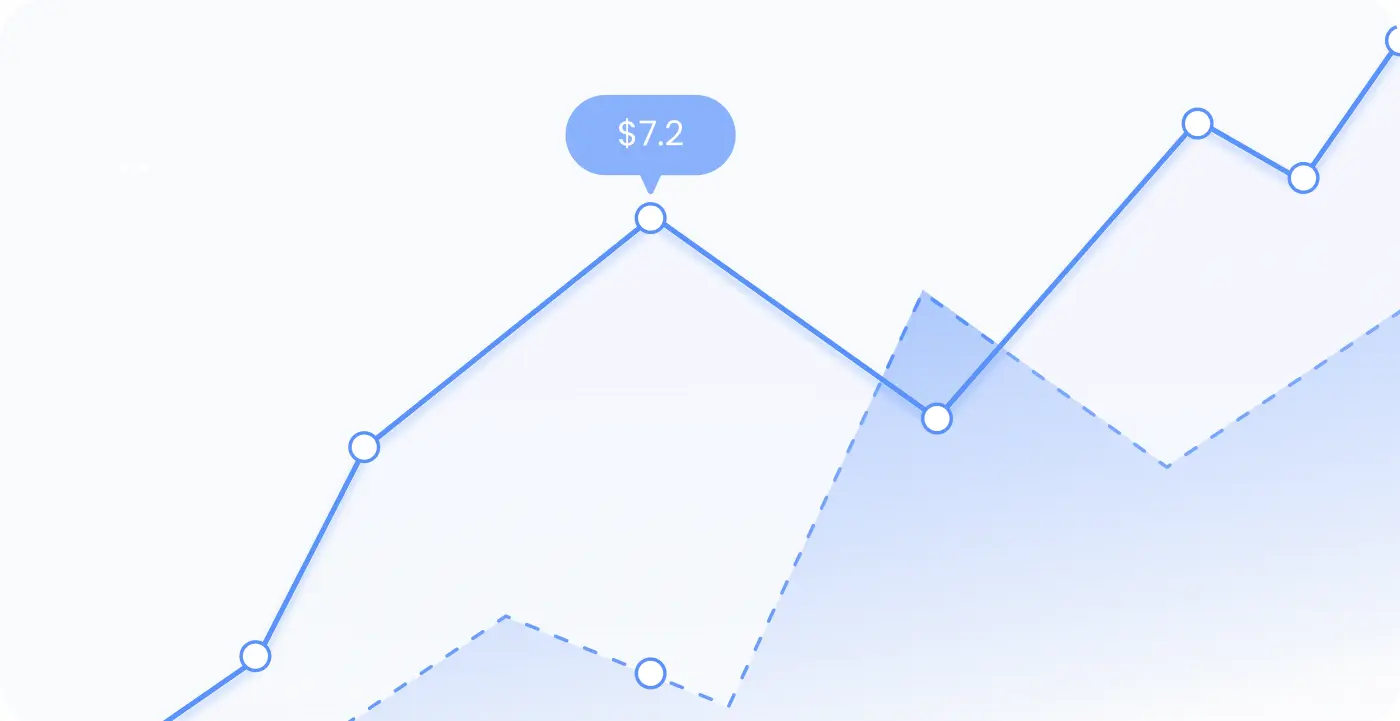
Forecast Analysis
Project future outcomes with confidence
Plan budgets and capacity more accurately with ML- driven predictive models to estimate what is likely to happen next. It allows for a better:
- Revenue and demand forecasting
- Resource planning and allocation
- Scenario and what-if analysis
- Risk probability assessment

Regression Analysis
Understand what truly drives outcomes
Analyze and explore relationships between variables to determine how one factor influences another, quantifying impact, and helping predict outcomes based on key drivers within your dataset. This lets you:
- Identify performance drivers
- Measure variable impact
- Predict outcome changes
- Validate assumptions with data

Classification Analysis
Segment, prioritize, and predict behavior
Improve targeting and resource allocation by focusing on high-risk/high-value segments by organizing them into meaningful categories using statistical and machine learning techniques. It helps you with:
- Customer or member segmentation
- Risk categorization
- Churn prediction
- Outcome classification
.svg)